


In a significant policy clarification, the Government of India has formally outlined its stance on sporting relations with Pakistan, drawing a clear distinction between bilateral engagements and participation in international tournaments. The newly communicated approach attempts to balance geopolitical realities with global sporting obligations, offering clarity to sports bodies, athletes, and fans alike.
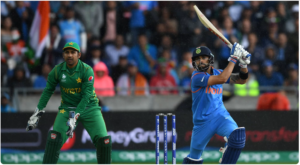
According to the latest directive issued by the Ministry of Youth Affairs and Sports, India will continue to avoid bilateral sporting ties with Pakistan, while simultaneously allowing participation in multilateral international events where both countries are involved. This dual policy marks an important step in defining how India plans to engage with Pakistan in the sporting arena going forward.
📌 Key Policy Decision: Separation of Bilateral and Multilateral Sports
The core principle of the government’s policy is the clear separation between bilateral sports and international competitions.
- Bilateral sporting events:
India has decided not to engage in any direct sporting contests with Pakistan, whether hosted in India or Pakistan. - Multilateral events:
India will continue to participate in international tournaments that include Pakistan, such as global championships and multi-nation competitions.
The government has emphasized that this approach aligns with international sporting norms and ensures that Indian athletes are not disadvantaged by missing out on global competitions.
🏏 No Bilateral Series: A Continued Stand
One of the most important aspects of this policy is the continuation of the ban on bilateral sporting ties. This means:
- Indian teams will not travel to Pakistan for competitions
- Pakistani teams will not be hosted in India for bilateral series
- No standalone matches or series between the two countries
This position is not entirely new but has now been formally reiterated and clearly documented through an official memorandum.
The decision reflects long-standing political and security concerns that have influenced India-Pakistan relations over the years.
🌍 Participation in Global Events Allowed
While bilateral ties remain suspended, the policy takes a more flexible approach toward international events.
The government has clarified that:
- Indian athletes will compete in global tournaments even if Pakistan is a participant
- Pakistani athletes will be allowed to compete in international events hosted in India
- Multi-nation competitions such as ICC tournaments or Olympic-style events will not be affected
This ensures that Indian athletes continue to participate in top-level competitions without restrictions.
It also prevents disruptions to international sporting calendars and commitments.
🛂 Easier Visa Rules for Athletes
Another important feature of the policy is the introduction of a more supportive visa regime for international sporting events.
The government has indicated that:
- Visa processes for athletes and officials will be simplified
- International sports administrators may be granted multi-entry visas
- Efforts will be made to facilitate smooth participation in global events
This move is aimed at strengthening India’s position as a reliable host for international sporting events.
⚖️ Balancing Politics and Sports
The policy reflects a careful balance between political realities and sporting commitments.
India and Pakistan have had strained relations for several years, which has impacted sporting ties, especially bilateral cricket series. However, global sporting bodies operate on principles of inclusivity and participation, leaving little room for selective exclusion.
By adopting a dual approach, India is:
- Maintaining its political stance
- Respecting international sports regulations
- Protecting the interests of its athletes
This strategy allows India to remain active on the global sports stage without compromising its diplomatic position.
🏟️ Impact on Cricket and Other Sports
The implications of this policy are particularly significant in cricket, where India-Pakistan matches attract massive global attention.
In Cricket:
- No bilateral series between India and Pakistan
- Matches will only happen in ICC or multi-nation tournaments
- Neutral venues may continue to be used when required
In Other Sports:
- Similar rules will apply across disciplines such as hockey, badminton, and athletics
- Participation will depend on whether the event is bilateral or multilateral
This ensures consistency across all sports federations and governing bodies.
📊 Why This Policy Matters
This announcement is important for several reasons:
1. Clarity for Sports Bodies
National and international sports organizations now have a clear understanding of India’s position, reducing uncertainty in scheduling events.
2. Stability for Athletes
Athletes can plan their careers without worrying about sudden changes in participation rules.
3. Strengthening India’s Global Role
By supporting international events, India reinforces its image as a major global sporting destination.
4. Avoiding Isolation
The policy ensures that India does not isolate itself from global competitions due to political tensions.
🧠 Background: Why Bilateral Ties Remain Suspended
The decision to avoid bilateral sporting ties is rooted in broader geopolitical and security concerns. Over the years, tensions between India and Pakistan have led to the suspension of direct sporting engagements.
Even in cricket, one of the most popular sports in both countries, bilateral series have been rare and mostly held at neutral venues.
The new policy does not change this stance but formalizes it, ensuring consistency in future decisions.
🔍 Expert Perspective
Sports analysts believe this policy is a practical compromise.
- It allows India to stay aligned with global sporting norms
- It avoids direct engagement that may raise political concerns
- It ensures that athletes are not deprived of international exposure
The approach is seen as a long-term framework rather than a temporary arrangement.
📉 Challenges Ahead
While the policy provides clarity, certain challenges may still arise:
- Logistical issues in hosting international events involving both countries
- Security concerns during high-profile matches
- Political pressure from different stakeholders
However, the government appears confident in managing these challenges through structured planning and coordination.
📌 Conclusion
India’s latest sports policy regarding Pakistan introduces a clear and structured approach to handling sporting relations between the two nations. By maintaining a strict ban on bilateral events while allowing participation in international competitions, the government has struck a balance between political considerations and sporting commitments.
This dual strategy ensures that Indian athletes continue to compete at the highest level without disruption, while also reflecting the country’s broader diplomatic stance. As India continues to emerge as a major host of global sporting events, this policy is likely to play a crucial role in shaping future international competitions.